Marko Lorenzo BlaslovMarko Lorenzo Blaslov
Fotograf: Marko Lorenzo Blaslov

Works at the Side Branch Stara Drava Varaždin (C.2)

On the left bank of the Drava River in Varaždin (rkm 289.3–292), restoration works on the side branch continue as part of the EU project DRAVA LIFE (Side Branch Restoration and Expansion of the Drava River Bed). The project owner and investor is Hrvatske vode, Water Management Department for the Mura and Upper Drava.

Current works:

  • Preparatory works include tree felling and removal of small vegetation (up to 10 cm) along the side branch route, spoil disposal areas, and access roads.

  • Planned works involve opening the inlet to the side branch, excavation of the initial channel, and widening and deepening of the existing non-flowing section.

  • The main riverbed of the Drava will also be widened by removing vegetation and part of the river sill.

Side branch data:

  • Length: 2.56 km

  • Average bed width: 13 m

  • Planned excavation: approx. 148,000 m³ of sediment

  • Value of works: €1.67 million (including VAT)

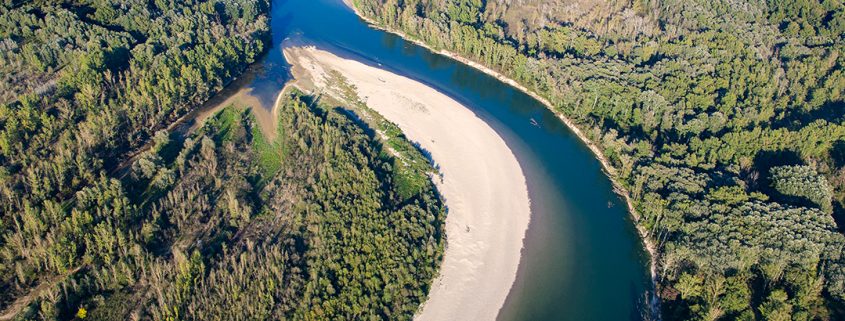
The main purpose of this intervention is to re-establish the natural flow of the side branch and restore the morphological dynamics of the Drava River. The project will help revitalize the floodplain (inundation) area, create new river habitats, gravel bars, and bank erosion zones, thereby contributing to the preservation and increase of biodiversity.

The works, valued at €1.67 million (including VAT), are being carried out in coordination with relevant authorities (Public Institution “PRIRODA Varaždin County”, Croatian Forests, Ministry of Environmental Protection and Green Transition, local communities, and others) and in compliance with all environmental protection measures.

This project represents an important step in restoring the Drava River in Croatia and the wider region. Due to the proximity of the urban area, increased public interest in spending time along the river is expected, along with responsible preservation and use of the river ecosystem.

Citizens are kindly asked for caution and understanding during the works. In the long term, this project will contribute to the conservation of the river, reduction of flood risk, and improvement of the natural environment.

Study Visit to the Educational Water Centre Legrad

On Wednesday, July 2, 2025, a study visit was organized by the public institution Međimurje Nature – Public Institution for Nature Protection and Croatian Waters for principals and teacher-coordinators from eight primary schools in Međimurje County that are part of the Mura-Drava-Danube Biosphere Reserve School Network.

The goal of this educational day was to showcase examples of good practices in environmental education and to strengthen cooperation between schools and institutions involved in nature protection and water management.

In the morning, the participants visited the Regional Science Centre for Primary Education in STEM – LORI in Ludbreg. The second part of the day was dedicated to visiting the Educational Water Centre (EWC) Legrad, located in a renovated water guardhouse on the banks of the Drava River.

Igor Tošić, head of the centre and representative of the DRAVA LIFE – Integrated River Management project, presented the project’s goals and results, with a special focus on the restoration of old river side-arms, which play a key role in preserving biodiversity and the functionality of the river ecosystem.

Of particular interest were:

  • the educational materials and equipment available at the centre,

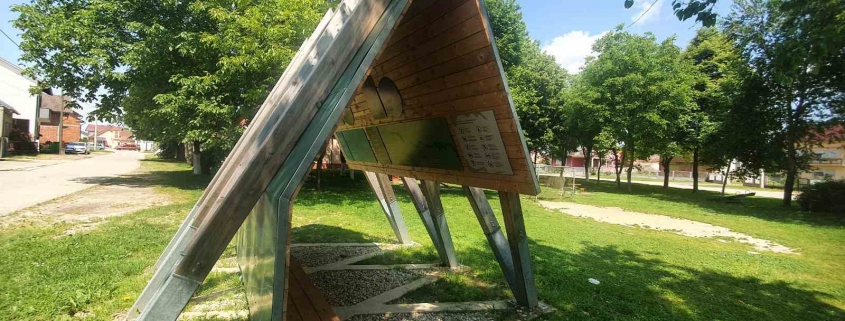
  • the educational trail that leads across the embankment and along the side-arm to an observation point,

  • and the opportunities for schools to sign cooperation agreements with Croatian Waters, enabling the centre to serve as a resource for field classes and nature-related educational activities focused on the Drava River.

During the walk along the Drava’s educational trail, principals and teachers exchanged experiences and ideas for future activities with students. The visit concluded with a shared lunch in an inspiring and relaxed atmosphere, with schools expressing a strong interest in continued use of the Educational Centre for educational purposes.

Participants: Schools from Donja Dubrava, Kotoriba, Hodošan, Domašinec, Mala Subotica, Orehovica, Selnica, and Mursko Središće

📍 Location: Educational Water Centre Legrad

We thank all participants for their active involvement and look forward to future gatherings aimed at strengthening environmental literacy and connecting youth with the nature of the Drava River.

Suveniri

Sand Martin Day Celebrated in Đelekovec

Sand martin population in Croatia drops from 30,000 pairs to fewer than 4,000 over the past 30 years

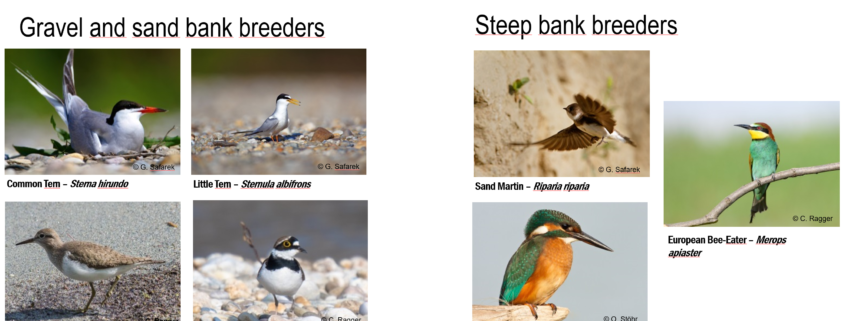
Đelekovec, 9 June 2025 – Over the weekend, the Sand Martin Day was celebrated on the banks of the Drava River near Đelekovec as part of the Municipality Day festivities. The colony of this endangered bird species at the Lubenovec site, downstream from Legrad, is one of the largest along the Drava River. In recognition of this, the village of Đelekovec was named Croatia’s first “Sand Martin Village” in 2024. This title highlights the importance of preserving natural habitats and showcases the successful collaboration between the local community, farmers, and environmental experts.

Sand martins – key indicators of healthy river ecosystems

Sand martins (Riparia riparia), Europe’s smallest swallows, nest exclusively in steep sandy riverbanks. Their presence is an important indicator of the health of river ecosystems. Unfortunately, their population in Croatia has declined from around 30,000 to fewer than 4,000 pairs over the last three decades.

The main causes of this decline include the loss of natural habitats due to river regulation, excessive pesticide use, draining of wetlands (which reduces insect populations), and human disturbance during the nesting season.

Education and community engagement are key to protection

Visitors had the opportunity to attend a presentation by a representative of the DRAVA LIFE project, participate in a creative workshop, and join a boat ride organized by the Rafting Club Koprivnica — all offering a closer look at the life of sand martins. The event emphasized the importance of responsible behavior near nesting colonies — such as avoiding noise, keeping a safe distance, and following guide instructions during the nesting period (late April to mid-July).

A key example of good practice is the collaboration between the Municipality of Đelekovec, the Puhar family farm, WWF Austria, and Croatian Waters. Through lease agreement adjustments, natural erosion of the Lubenovec riverbank is enabled, creating new suitable nesting habitats each year. This initiative stands as a model for successful cooperation between the local community, agriculture, and nature conservation professionals.

Special recognition goes to the school cooperative “Mak” from Đelekovec, whose project “Sand Martins in the Embrace of the Drava” qualified for the National Student Cooperative Fair. Students created educational and creative products to raise awareness about the importance of preserving this species.

DRAVA LIFE – Integrated River Management

The DRAVA LIFE project focuses on improving river ecosystems in Croatia, particularly in areas that are part of the Natura 2000 ecological network. By restoring the river’s natural dynamics and fostering cooperation among institutions, NGOs, and the local community, the project contributes to the protection of endangered species and habitats — while also helping to safeguard populated areas from flooding.

Photos Mladen Međimorec and Iva Naglić Dolić
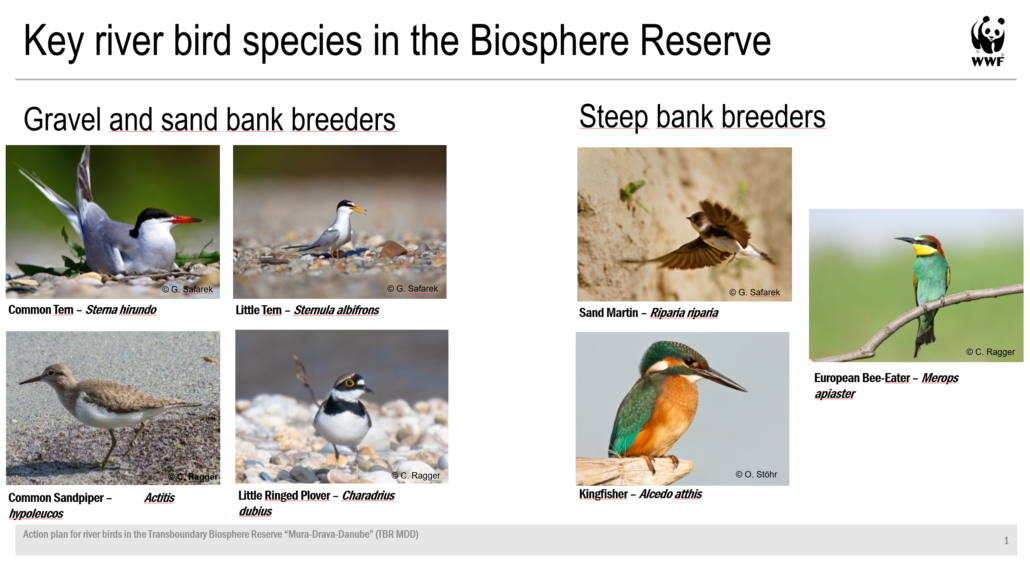
G. Šafarek
Mala čigra / Little tern (Sterna albifrons) © G. Šafarek

Let’s protect the homes and young of little terns

Little Tern – Ambassador of the Drava River 

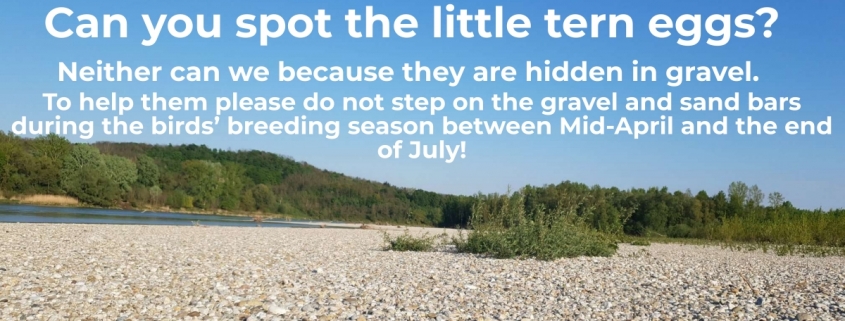
Koprivnica, May 8th, 2025 – The Little Tern (Sternula albifrons), one of the rarest breeding birds in Croatia, is returning to the gravel and sandbars of the Drava River to raise its offspring. These extremely sensitive birds depend on natural, untouched gravel and sand islands in the river—habitats that are increasingly threatened each year due to human impact.

Members of the DRAVA LIFE project team appeal to all visitors of the Drava River to avoid walking on sandbanks from mid-April to the end of July! With your attention and responsibility, you allow little terns to peacefully nest and raise their chicks, contributing to the conservation of this strictly protected species.
The little tern is a symbol of a living, natural river. Its survival speaks to the health of the river ecosystem shared by other endangered birds such as sand martins, kingfishers, and bee-eaters. Unlike the common tern, the little tern refuses to nest on artificial platforms and is exclusively bound to natural river environments.


Characteristics and Habitat

The Little Tern’s body is slender with narrow wings and a forked tail, perfectly adapted for fishing in rivers and seas. The chicks are gray-brown-yellow in colour, making them almost invisible on gravel and sandy islands without vegetation. In Croatia, they nest only on the Drava River in Koprivnica-Križevci County (with an average of 4-7 pairs), while the rest of the population nests along the coast. The presence of Little Terns indicates natural dynamic sections of the river flow with sandy and gravelly shoals, steep banks, and backwaters. It hunts small fish in shallow water zones along the riverbanks.

Threats and Protection

Mala čigra / Little Tern © Goran Šafarek

Mala čigra / Little Tern © Goran Šafarek

This strictly protected species is threatened by river regulation and hydroelectric power plants, extraction of gravel and sand, human disturbances such as rowing, fishing, swimming, etc.

The Little Tern is strictly protected under Croatian and European legislation and international conventions. It is protected according to the Nature Protection Act (OG 80/13, 5/18, 14/19, 127/19, 155/23) and the Ordinance on Strictly Protected Species (OG 144/13 and 73/16). It is included in the Croatian Red Book of Endangered Birds and is internationally protected under the EU Birds Directive (Annex I), the Natura 2000 network, and the Bern and Bonn Conventions.

It is prohibited to:
• Capture or kill them
• Disturb them, especially during breeding season
• Destroy or take eggs
• Deliberately destroy, damage, or remove nests
• Damage or destroy breeding or resting areas

Mala čigra / Little Tern © Goran Šafarek

Our Responsibility
To preserve the last breeding pairs of Little Terns, it is necessary to restore the natural river’s dynamics and allow the Drava to create new gravel and sand bars and prevent disturbance of birds during the nesting season. This was one of the main goals of the DRAVA LIFE project, in which Hrvatske vode, WWF, Association for Nature and Environment protection Green Osijek and Nature Protection Institutions of Koprivnica-Križevci, Virovitica-Podravina and Varaždin County have joined forces and worked together to create a best practice example of river restoration in Croatia and the region.

We also emphasize the importance of protecting the Drava River and protected areas within the County, especially the Mura-Drava Regional Park, which is part of the Natura 2000 area and the Five-country Mura-Drava-Danube Biosphere Reserve.

We can all be nature guardians! We invite everyone to join in protecting the unique habitats and species of our environment and to support the conservation of one of the last populations of Little Terns on the Drava!

You can find more info here The little tern leaflet.

Hrvatske vode

Works at Location C.1. Otok Virje

C1 Otok Virje

We would like to inform you that restoration work on the right branch of the Drava River near the village of Otok Virje is nearing completion, as part of the DRAVA LIFE project. As announced during the public event held last September in the Municipality of Cestica, the aim of this project is to improve water flow, give the river more space, restore natural habitats, and reduce flood risk. The restoration covers the section between river kilometers 312 and 314.

Why are parts of the vegetation and bank reinforcements being removed?
🔹 The Drava is a living river that depends on natural processes to breathe and regenerate. Currently, this river branch is filled with sediment and overgrown with vegetation, which restricts water flow and threatens rare plant and animal species.

What’s being done?
🔹 The branch is being deepened and excess vegetation removed to improve flow
🔹 Sections of artificial bank reinforcement are being removed to restore natural river dynamics
🔹 Riverbanks are being stabilized using bioengineering techniques
🔹 Excavated material is being reused to build access roads

These interventions will help make the Drava more natural and biodiverse, while also making the surrounding area safer from flooding and more enjoyable for recreation.

By enabling the river to regenerate on its own, we are creating new habitats for birds and other wildlife and improving flood resilience in both Croatia and Slovenia.

Thank you for your understanding!


Is the Return of Myricaria germanica to the Drava Possible?

At this stage, a definitive answer to the question posed in the title remains uncertain; however, based on prior reintroduction efforts, there is cautious optimism.

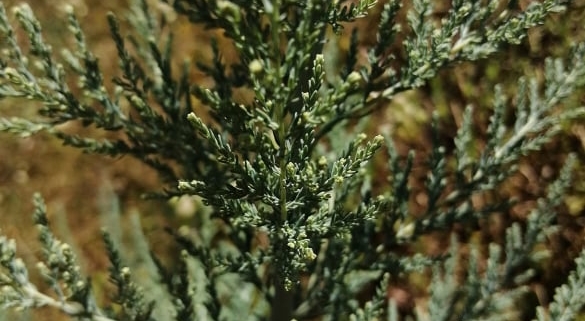
Myricaria germanica (German tamarisk) was once a common shrub on the gravel and sandbanks of the Drava River. However, due to extensive hydrotechnical interventions and subsequent alterations in habitat conditions, the species has disappeared from its natural sites along the river.

In response, a series of restoration activities aimed at re-establishing Myricaria germanica in its native habitat along the Drava River was initiated several years ago.

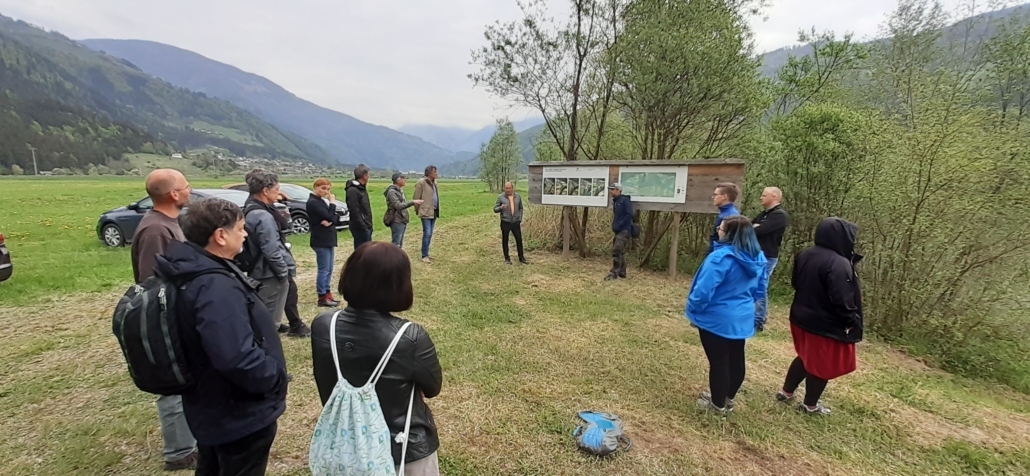
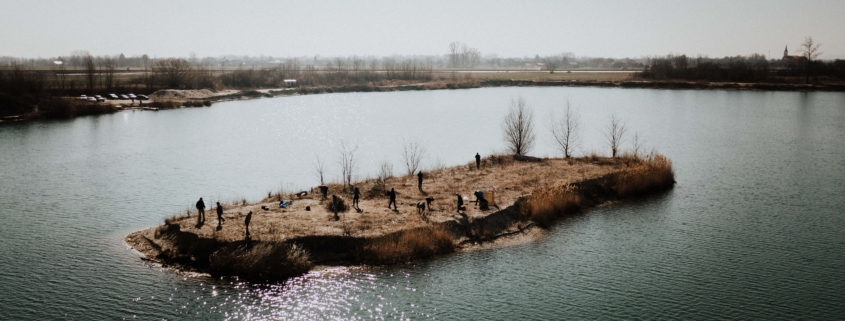


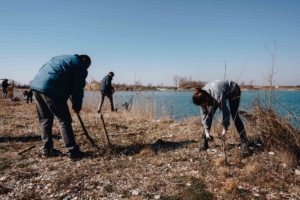
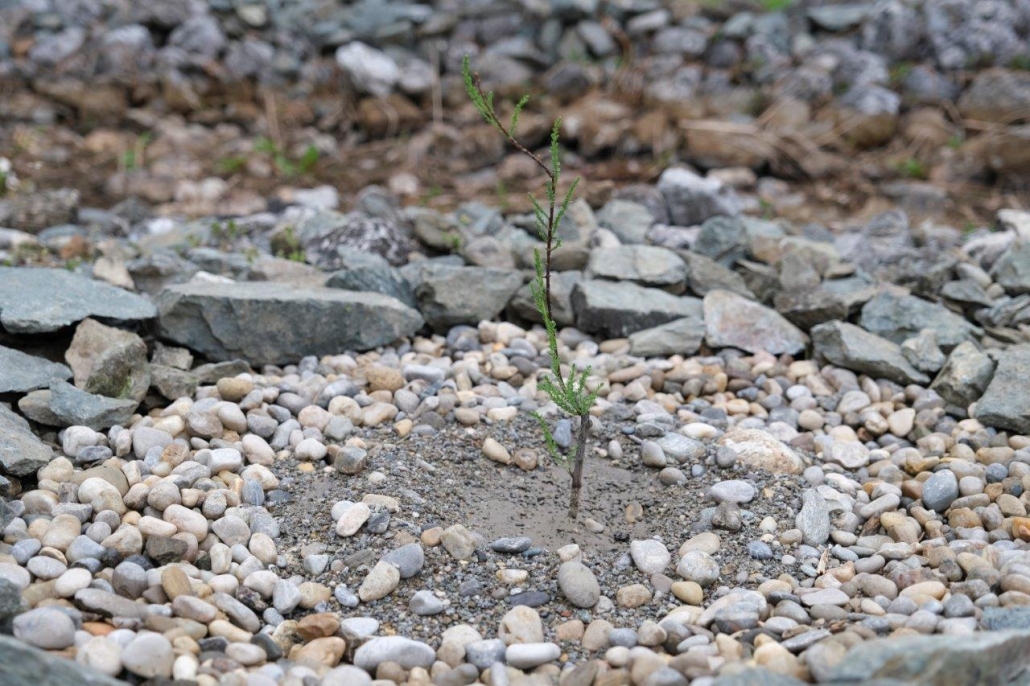
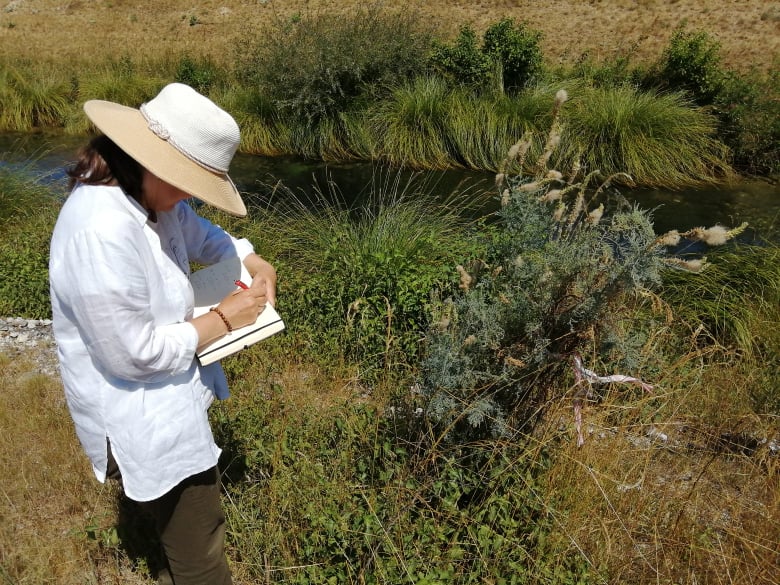
Monitoring of individuals planted in previous periods has led to the identification of micro-sites that appear to offer slightly more favorable conditions for the growth and survival of Myricaria germanica. In early March of this year, additional nursery-grown specimens—propagated at the Arboretum Opeka Secondary School in Marčan—were planted at these locations.

Unfortunately, the newly established plants face a range of threats in their new habitat, including unfavorable weather conditions, sudden fluctuations in water levels, sediment dynamics, herbivory by wild animals, and damage caused by irresponsible off-road vehicle use. It is therefore evident that, alongside careful site selection and management, a measure of luck will also be necessary for the success of the reintroduction effort.

Restoration Works Underway on the River Branch near Botovo Bridge

We inform you that restoration of a branch of the Drava River, spanning 830 meters, is currently underway in the municipality of Drnje. The goal is to improve the river’s flow, reduce bank erosion, and create better conditions for aquatic ecosystems.

The works will continue until the end of winter and will be completed after the construction of the Botovo railway bridge is finished. This will reconnect the river branch with the main course of the Drava, ensure better water flow, raise groundwater levels in floodplain forests, and promote the development of new, dynamic, targeted habitats.

Stay with us for more updates!

Photos Hrvatske vode

Photo Kristijan Toplak

A 5,714-meter-long DRAVA LIFE Educational trail opened at the Dravska priča Visitor Center

Foto Kristijan Toplak

Tatjana Arnold Sabo

Noskovci, November 27, 2024 – A gathering at the Dravska Priča Visitor Center marked the official opening of the DRAVA LIFE Educational Trail, the final activity of the project focused on the revitalization of the Drava River and the preservation of its ecosystems.

The DRAVA LIFE Educational Trail stretches 5,714 meters and features 25 info-educational boards, bringing visitors closer to the values of protected areas, flora, and fauna of the Drava River. The trail also includes two newly constructed birdwatching hides, providing a unique opportunity to enjoy nature and observe birds.

During the event, Tatjana Arnold Sabo, Director of the Public Institution for Managing Protected Natural Areas and the Ecological Network of Virovitica-Podravina County, stated: “The DRAVA LIFE Educational Trail is the crowning achievement of our efforts to preserve the natural heritage of the Drava River through this project, which has created a space for education, recreation, and enjoyment in nature for all generations.”

Photo Iva Naglić Dolić

As part of the project, a bio-research station at the Dravska Priča Visitor Center was additionally equipped in 2017, enhancing research and educational activities. The Public Institution oversees the protection, presentation, and promotion of 16 protected areas and the ecological network in the Virovitica-Podravina County. The Drava River is the most significant protected area in the county. The institution works hard to raise awareness among the local population about the importance of preserving ecosystems, emphasizing the benefits of protected areas for quality of life and their sustainable economic and tourism potential.

Since its inception in 2015, the project, which ends on November 30 this year, has carried out numerous activities across six restoration sites in three counties: Koprivnica-Križevci, Varaždin, and Virovitica-Podravina. These include river restoration, flood risk reduction, and strengthening recreational potential for local residents.

Jasmin Sadiković, project coordinator from the Green Osijek Nature and Environment Protection Association, highlighted: “An extremely important set of project activities relates to educating students and local residents. Therefore, I am particularly pleased that with the opening of the Educational Trail, we symbolically close the project, even though work on the restoration of the Drava River continues. Through educational activities, we aim to increase local awareness about the importance of natural and preserved rivers and improve their knowledge of the Natura 2000 network, especially concerning protected river birds.”

Photo Kristijan Toplak

Photo Kristijan Toplak

Igor Tošić, project leader from Croatian Waters, reflected on the planned restoration of the Drava sidesidearm Miholjački Martinci (C.6),” located near Čađavica in Virovitica-Podravina County: “The project involves the right side-arm of the Drava River, spanning 2,500 meters in total. Planned restoration includes the removal of an existing barrier, bioengineering for bank stabilization, and the creation of nesting conditions for protected species such as kingfishers and sand martins. These interventions will stimulate dynamic processes and ensure water flow through the side-arm for most of the year.”

Photo Kristijan Toplak

Photo Kristijan Toplak

To ensure protection for future generations, the DRAVA LIFE project area has become part of the world’s first Five-Country UNESCO Biosphere Reserve Mura-Drava-Danube (MDD). This project covers areas in Austria, Slovenia, Croatia, Hungary, and Serbia, making the Drava part of the global network of the most renowned natural areas.

Lisa Wolf from WWF Austria emphasized: “The DRAVA LIFE project was a pioneering step for future river restoration projects in the region. The dedication of participants and collaborators has led to the implementation of another major EU project, now spanning five countries: the LIFE RESTORE for MDD project. The restoration of the Drava River benefits both nature and people in the region, serving as a green and blue safety net.”

As part of the program, the film “DRAVA LIFE – A New Life for the Drava” was also presented.

Alen Međić
Varaždin

Final DRAVA LIFE International Symposium kicks off in Varaždin

From vision to implementation of river restoration in the UNESCO Five-country Biosphere Reserve Mura-Drava-Danube

Varaždin, Croatia – October 22nd, 2024 The Final International Symposium of the DRAVA LIFE (DL) project is being held at the Varaždin City Museum, marking the culmination of nearly a decade of dedicated efforts to restore and protect the Drava River. From October 21-24, 2024, experts, policymakers, and environmental advocates from across the UNESCO Five-country Biosphere Reserve Mura-Drava-Danube (TBR MDD) will gather in Varaždin to reflect on the project’s achievements and shape the future of river restoration in the region.

Co-funded by the European Union under the LIFE Programme, the DRAVA LIFE project has been a pioneering initiative in river restoration and sustainable management along the Drava River, part of the UNESCO Mura-Drava-Danube Biosphere Reserve. Launched in 2015, the project has focused on restoring natural habitats, enhancing biodiversity, and promoting integrated water management through cross-border cooperation across the ‘Amazon of Europe.’ Since its launch in 2015, DL has become a leading example of integrated water management and cross-border cooperation in Europe.

Celebrating a major milestone in regional river restoration

The symposium aims to promote knowledge exchange on river restoration within the TBR MDD, involving Austria, Slovenia, Croatia, Hungary, and Serbia. Project partners, river restoration experts, and stakeholders from all five countries will discuss the current state of river ecosystems and the importance of a healthy river network. Additionally, discussions will explore how river restoration can contribute to the ambitious goals of the EU Nature Restoration Law, with a particular focus on transboundary and basin-wide sediment management. Success stories of reintroducing riverine plants and managing habitats for bird and fish species will also be highlighted.

Hosting this Symposium in Varaždin, at the heart of the Drava River, is an honor. It serves as a reminder of the importance of local action in global conservation efforts. The City of Varaždin is grateful to all DL who have made significant strides in restoring this vital river, which has been important to our city and its inhabitants for generations and will continue to be in the future,” said Ms. Slađana Miočić, Head of the Department of Economic Affairs, City of Varaždin.

Milan Rezo, director of the Water Management Department for Mura and Upper Drava in Croatian Waters, stated: “Through this project, Croatian Waters has demonstrated its commitment to innovative and sustainable water management practices. The restoration of the Drava River has shown that it is possible to balance the needs of nature with those of local communities. Recent floods have further underscored the critical importance of sustainable river management, and we will continue to integrate these successful practices to protect both the environment and local populations.”

This project is a shining example of how we can restore nature while ensuring sustainable development. The EU Nature Restoration Law opens new opportunities for the restoration of rivers and floodplain forests across Europe, and we are proud that the DL project sets a precedent for these future initiatives,” highlighted Igor Kreitmayer from the Ministry of Environmental Protection and Green Transition, at the opening of the event.

Jasmin Sadiković from the NGO Green Osijek emphasized the collaborative approach as a key strength of the DRAVA LIFE project. By bringing together NGOs, public institutions, and local communities, remarkable progress has been made in restoring the river’s ecosystems and biodiversity.

WWF has been dedicated to the protection of the Mura-Drava-Danube region for over 20 years. The designation of the 5-Country Biosphere Reserve in 2021 was a monumental achievement, and the DRAVA LIFE project has been pivotal in restoring river ecosystems in Croatia. As we face the ongoing challenge of reversing ecological degradation, river restoration remains critical—not only for biodiversity but also for improved flood protection, water quality, and recreational opportunities for local communities. WWF will continue to support and advocate for these efforts”, remarked Nataša Kalauz, CEO of WWF Adria.

Looking Ahead

Drava, Gabajeva Greda

Although the DRAVA LIFE project officially concludes in November 2024, its legacy will continue through future restoration initiatives and the ongoing efforts of partners across the TBR MDD. The symposium provides an opportunity to reflect on past successes while setting the stage for the next steps in safeguarding Europe’s rivers.

Participants will also join an excursion to key restoration sites along the Drava River, witnessing firsthand the remarkable progress achieved through the project and the beauty and biodiversity of the Croatian stretch of the river.


From vision to implementation of river restoration

Varaždin, Croatia – October 22nd, 2024 The Final International Symposium of the DRAVA LIFE project is taking place at the Varaždin City Museum, Herzer Palace, marking the culmination of nearly a decade of dedicated efforts to restore and protect the Drava River.

The international DRAVA LIFE Symposium aims to foster the exchange of know-how on river restoration projects within the UNESCO Five-country Biosphere Reserve Mura-Drava-Danube (TBR MDD) between Austria, Slovenia, Croatia, Hungary and Serbia. Project partners, river restoration experts and stakeholders from all five countries will discuss the status quo and the need for a healthy river ecosystem within the TBR MDD – now and in the future. They will also discuss how river restoration in the TBR MDD will contribute to the ambitious goals of the new EU Nature Restoration

Law. A special focus will be on a transboundary and basin-wide approach for sediment management, as the DRAVA LIFE Symposium will also serve as a kick-off for the Sediment Stakeholder Dialogue within the EU LIFE RESTORE for MDD project.

The TBR MDD serves as an international platform for cooperation in the implementation of harmonised and integrated river management, nature conservation and sustainable use in the region.

Please find the Agenda on this link.